
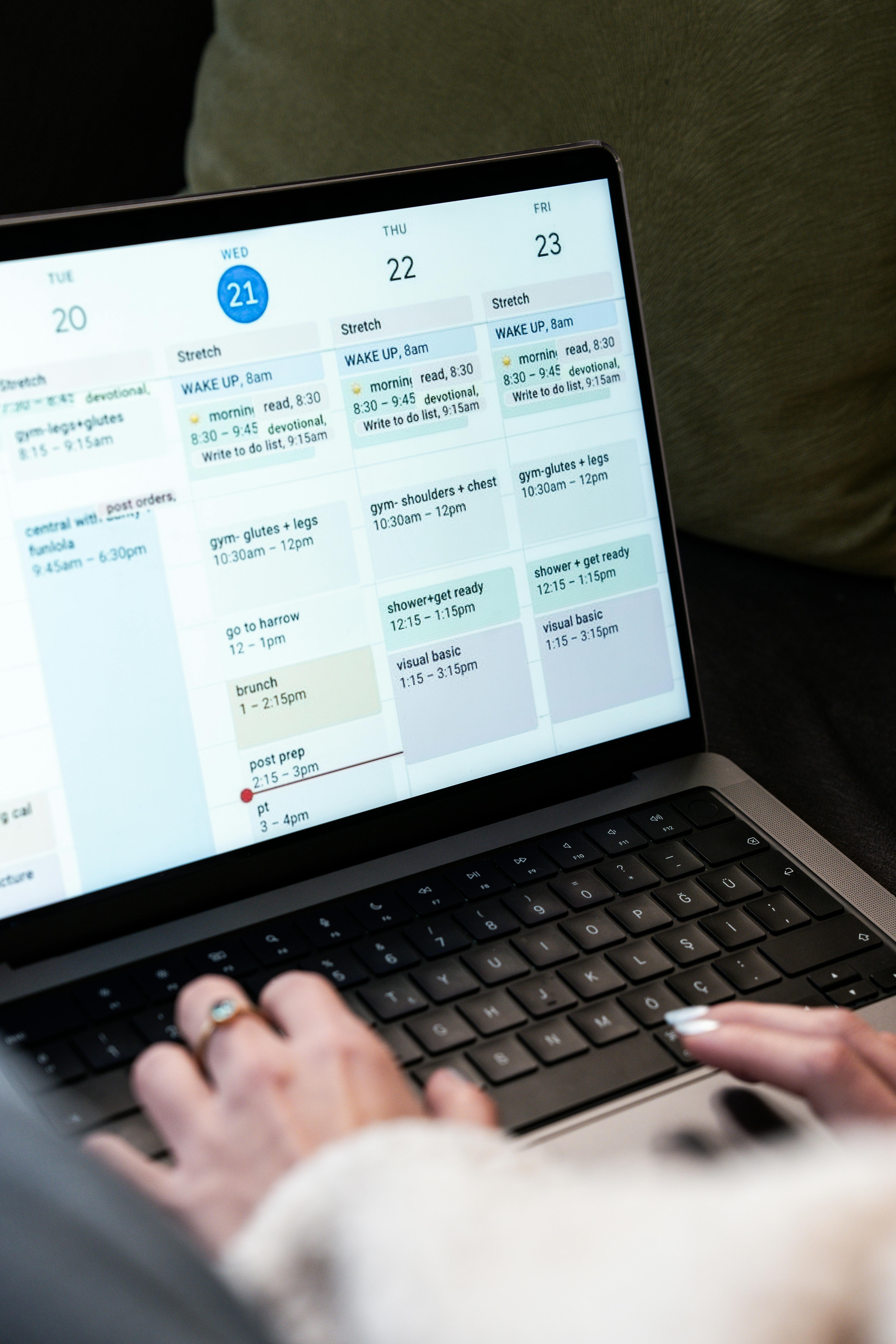
Home health scheduling software is the most frequently overlooked ePHI system in HIPAA compliance reviews. The EHR gets scrutiny because it's obviously clinical. The billing system gets scrutiny because it obviously handles financial data. The scheduling platform — which holds patient names, home addresses, active diagnoses, visit frequency, care team assignments, and in many cases medication administration schedules — is treated as an operational tool rather than a clinical data system. This oversight creates a compliance gap that's consistent across the industry and surprisingly easy for OCR investigators to identify.
What Scheduling Software Actually Holds
Consider what a complete visit record in a scheduling platform contains: the patient's full name, home address, and contact information (for care team navigation and access coordination); the patient's primary and secondary diagnoses (required to determine appropriate staff assignment and visit type); the assigned clinician and aide (and therefore the care team composition); the visit frequency and duration (which reflects the care plan); any access notes (lockbox codes, building entry instructions, caregiver contact details); and in some platforms, medication administration reminders or clinical task lists for the visit.
Every field in that record is PHI under HIPAA. The scheduling platform is a covered system under the Security Rule. If the scheduling software vendor accesses this data — for support, maintenance, or platform operation — they're a business associate and require a signed BAA. If the scheduling platform stores this data in the cloud, the cloud infrastructure provider and any sub-processors are sub-business-associates whose security must be assessed — the same vendor-risk logic covered in more depth in Supply Chain Cybersecurity for Home Health: Why Your Vendors Are Your Biggest Blind Spot.
The BAA Requirement for Scheduling Vendors
A common scheduling-related compliance gap is the missing Business Associate Agreement with the scheduling software vendor. Agencies that purchase scheduling software evaluate it on ease of use, staff assignment logic, and integration with their EHR. The BAA is either assumed to be covered by the general software subscription agreement (it isn't, unless specifically designated as such) or is obtained verbally rather than in a signed document.
A written, signed BAA with the scheduling software vendor is required before any ePHI enters the platform. Agencies using scheduling software that holds patient data without a signed BAA have an ongoing HIPAA violation — not a prospective gap to close, but a current exposure. The remediation is straightforward: contact the vendor, request the BAA, review it for required provisions, and execute it. Most major scheduling software vendors in the home health space — ClearCare, Alora, HHAeXchange, and others — have BAA programs. The BAA should be on file before the next scheduling entry is made. This is the same BAA-boundary principle covered for clinical EHR platforms in Home Health EHR Security Compared: Matrixcare, WellSky, Axxess, and Homecare Homebase — scheduling software just tends to get overlooked because it doesn't read as "clinical" the way an EHR does.
Access Control Configuration for Scheduling Systems
Who in the organization needs access to the full scheduling record? Schedulers need complete access to create, modify, and assign visits. Supervisors need access to their caseload area. Field nurses need access to their own schedule and the specific patient records for their assigned visits. Billing coordinators need visit completion data. Home health aides may need visit time and location but not diagnostic information. Most scheduling platforms support role-based access configuration that reflects this hierarchy — and most agencies have never configured it, defaulting instead to broad access for all staff with a login.
Configuring least-privilege access in the scheduling platform is a HIPAA minimum necessary standard compliance step, not an optional IT project. Review each user role, determine what data access is actually required for that role's function, and configure access profiles accordingly. Document the configuration and the rationale for each role definition.
The scheduling department itself is also a common social engineering target precisely because it handles this concentrated patient and care-team data — see Social Engineering Attacks Targeting Home Health Scheduling Staff for the specific tactics attackers use against the people operating this system, as a complement to the platform-level controls covered here.
Encryption and Transmission Security
Patient visit data transmitted from the scheduling platform to field staff devices — via mobile app push notifications, email summaries, or direct data sync — must be encrypted in transit. Verify with the vendor that all data transmission between their platform and client devices uses TLS 1.2 or higher. Verify that data stored in the scheduling platform is encrypted at rest. These verification questions belong in the vendor security assessment process and in the BAA — the BAA should specify the vendor's encryption standards for the agency's data.
Frequently Asked Questions
Is scheduling software actually covered by HIPAA, or is it just an operational tool?
It's covered. Any system that creates, receives, maintains, or transmits ePHI falls under the HIPAA Security Rule — and a scheduling platform holding patient names, addresses, diagnoses, and care team assignments meets that definition regardless of whether it's used for clinical documentation.
Does a scheduling software vendor need a signed BAA?
Yes, if the vendor's platform stores or accesses PHI — which nearly all home health scheduling platforms do. A general software subscription agreement doesn't substitute for a BAA unless it specifically includes BAA provisions.
What access should home health aides have in the scheduling system?
Typically visit time, location, and access notes needed to complete the visit — not full diagnostic information or the broader patient chart, consistent with the HIPAA minimum necessary standard.
Closing
If you're serious about protecting your home health agency — and about having documentation that holds up when it needs to — the next step is a free HIPAA Risk Assessment.
→ Schedule Your Free HIPAA Risk Assessment — https://shieldforce.io/hipaa-assessment
→ Explore Home Healthcare Cybersecurity — https://shieldforce.io/home-healthcare
→ View Transparent Pricing from $35/user/month — https://shieldforce.io/home-healthcare/checkout